
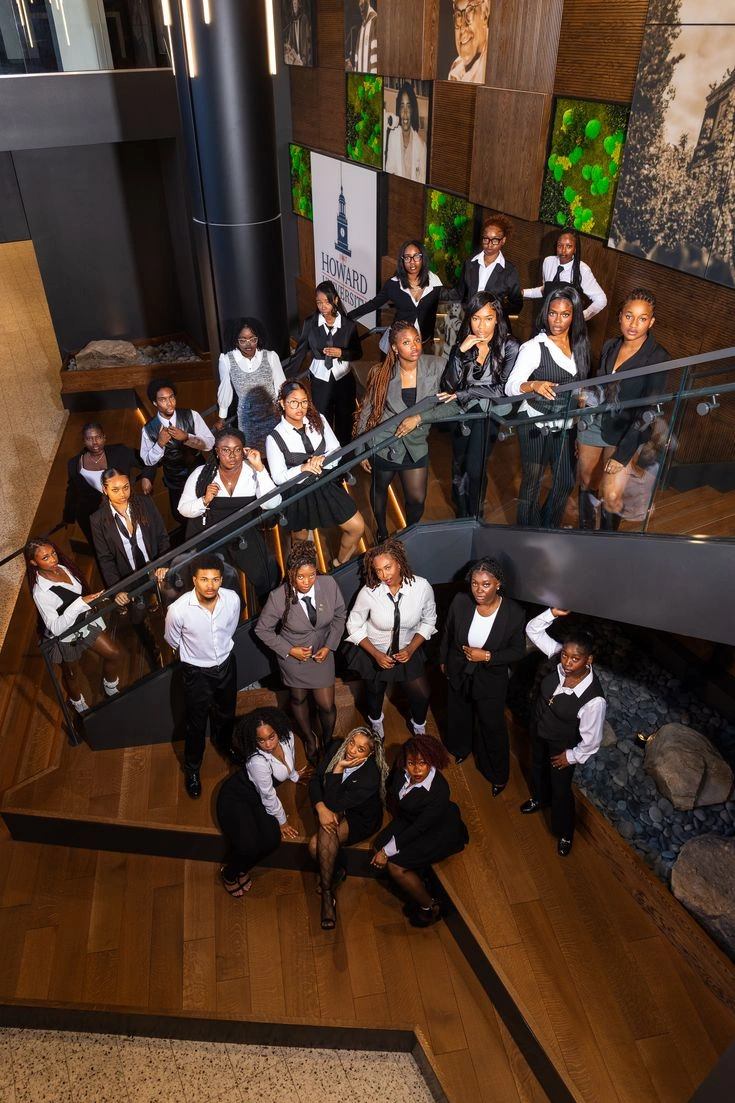
Organizing a college event can be one of the most rewarding experiences during student life. Whether it’s a cultural fest, technical symposium, sports tournament, career fair, or social awareness campaign, a well-executed event fosters community, builds leadership skills, and creates lasting memories. In 2026, successful college events emphasize inclusivity, sustainability, technology integration, and meaningful student engagement. With proper planning, even first-time organizers can deliver memorable and impactful events.
This comprehensive guide outlines proven steps and best practices to help you plan and execute a successful college event.
Step 1: Define Clear Objectives and Understand Your Audience
Begin by answering fundamental questions: What is the purpose of the event? Who is the target audience? What outcomes do you want to achieve? Clear goals — such as raising awareness, generating funds, providing networking opportunities, or simply offering entertainment — guide every subsequent decision.
Identify your audience’s interests, preferences, and availability. For instance, tech-savvy students may prefer hybrid formats with live streaming, while cultural events might attract larger crowds with performances and food stalls. Align the event type with campus culture and current student needs for maximum participation.
Step 2: Build a Strong Organizing Team
No successful event happens in isolation. Form a core committee with clearly defined roles: Event Coordinator, Finance Lead, Marketing Head, Logistics Manager, and Program/Content Lead. Include enthusiastic volunteers and seek faculty advisors for guidance and institutional support.
Hold regular meetings to assign responsibilities and track progress. Good communication within the team prevents last-minute chaos. Leverage collaboration tools for task management and document sharing.
Step 3: Create a Realistic Budget
Budgeting is critical for success. Estimate all expenses including venue setup, decorations, equipment, performers or speakers, food and beverages, marketing materials, prizes, and contingencies. Factor in potential revenue from ticket sales, sponsorships, or college funding.
Aim for a balanced budget with a 15-25% buffer for unexpected costs. Explore sponsorship opportunities from brands, alumni, or local businesses aligned with your event theme. Track every expense meticulously to maintain transparency and avoid overspending.
Step 4: Choose the Right Date, Time, and Venue
Select dates that avoid major academic deadlines, exams, holidays, or competing campus events. Mid-semester periods often work best for attendance. Confirm availability with the college administration early.
For the venue, consider capacity, accessibility, facilities (audio-visual equipment, seating, power supply), and backup options for weather-related issues if outdoor. Book well in advance and secure necessary permissions for large gatherings, food service, or amplified sound.
Step 5: Develop a Detailed Timeline and Checklist
Create a comprehensive timeline starting several weeks or months ahead, depending on event scale. Break tasks into phases: pre-event planning, promotion, execution, and post-event follow-up.
Key milestones include finalizing vendors, completing marketing campaigns, and conducting dry runs. A checklist ensures nothing is overlooked, from equipment testing to emergency protocols.
Step 6: Focus on Marketing and Promotion
Effective promotion determines attendance. Use a mix of traditional and digital channels: campus posters, social media, college website, email newsletters, and student group announcements. Create engaging content with eye-catching visuals, clear event details, and compelling calls-to-action.
In 2026, leverage Instagram Reels, WhatsApp groups, and campus apps for wider reach. Encourage user-generated content with event hashtags. Partner with other student organizations for cross-promotion to expand your audience.
Step 7: Plan Logistics and Operations
Pay attention to operational details that impact attendee experience:
-
Food and Beverages: Offer varied, inclusive options including vegetarian, vegan, and allergy-friendly choices.
-
Technical Setup: Test microphones, projectors, lighting, and Wi-Fi in advance.
-
Safety and Accessibility: Arrange security, first aid, crowd management, and facilities for differently-abled students.
-
Sustainability: Use eco-friendly materials, minimize single-use plastics, and encourage waste segregation.
Have contingency plans for common issues like power failures, low turnout, or speaker cancellations.
Step 8: Execute Smoothly on Event Day
On the day of the event, the team should arrive early to handle final setups. Assign volunteers to key areas like registration, guest coordination, and troubleshooting. Maintain a calm and positive atmosphere, as your energy influences the overall vibe.
Monitor the schedule closely while allowing flexibility for spontaneous moments that enhance enjoyment. Capture photos and videos for documentation and future promotion.

Step 9: Engage and Interact with Attendees
Successful events go beyond passive participation. Incorporate interactive elements such as Q&A sessions, polls, contests, photo booths, or networking activities. Make attendees feel valued through personalized touches and feedback opportunities during the event.
Step 10: Evaluate and Learn for the Future
Post-event evaluation is often overlooked but vital. Collect feedback through quick surveys or forms to understand what worked and what needs improvement. Analyze attendance numbers, budget actuals versus estimates, and overall impact against your original goals.
Document lessons learned, successful strategies, and vendor contacts for future organizers. Celebrate the team’s hard work and recognize contributions.
Additional Success Factors for College Events
-
Inclusivity: Ensure the event is welcoming to all students regardless of background, gender, or abilities.
-
Innovation: Incorporate trending elements like AR experiences, sustainability challenges, or mental health awareness zones.
-
Legal and Administrative Compliance: Secure all required approvals, permissions, and insurance as per college policies.
-
Time Management: Start planning early — large events may need 3-6 months of preparation.
Final Thoughts
Organizing a successful college event requires vision, teamwork, meticulous planning, and adaptability. By following a structured approach — from setting clear objectives to thorough post-event evaluation — you can create experiences that resonate with students and leave a positive impact on campus life.
The skills gained through event organization, such as leadership, problem-solving, communication, and project management, prove invaluable for future careers. While challenges will arise, careful preparation and a passionate team turn potential obstacles into opportunities for creativity and growth.
Start with a clear purpose, stay organized, engage your audience meaningfully, and don’t forget to enjoy the process. A well-organized college event not only achieves its goals but also builds community spirit and creates memories that last well beyond graduation.
Read more – tripfleeting.com
